


ProductS
The ASCENDLABS product line presents a structured selection of peptide compounds, each identified and documented in a consistent, reference-grade format.
Product listings are informational in nature and intended to support personal research activities.
Availability and access to our products are facilitated through regional partners.
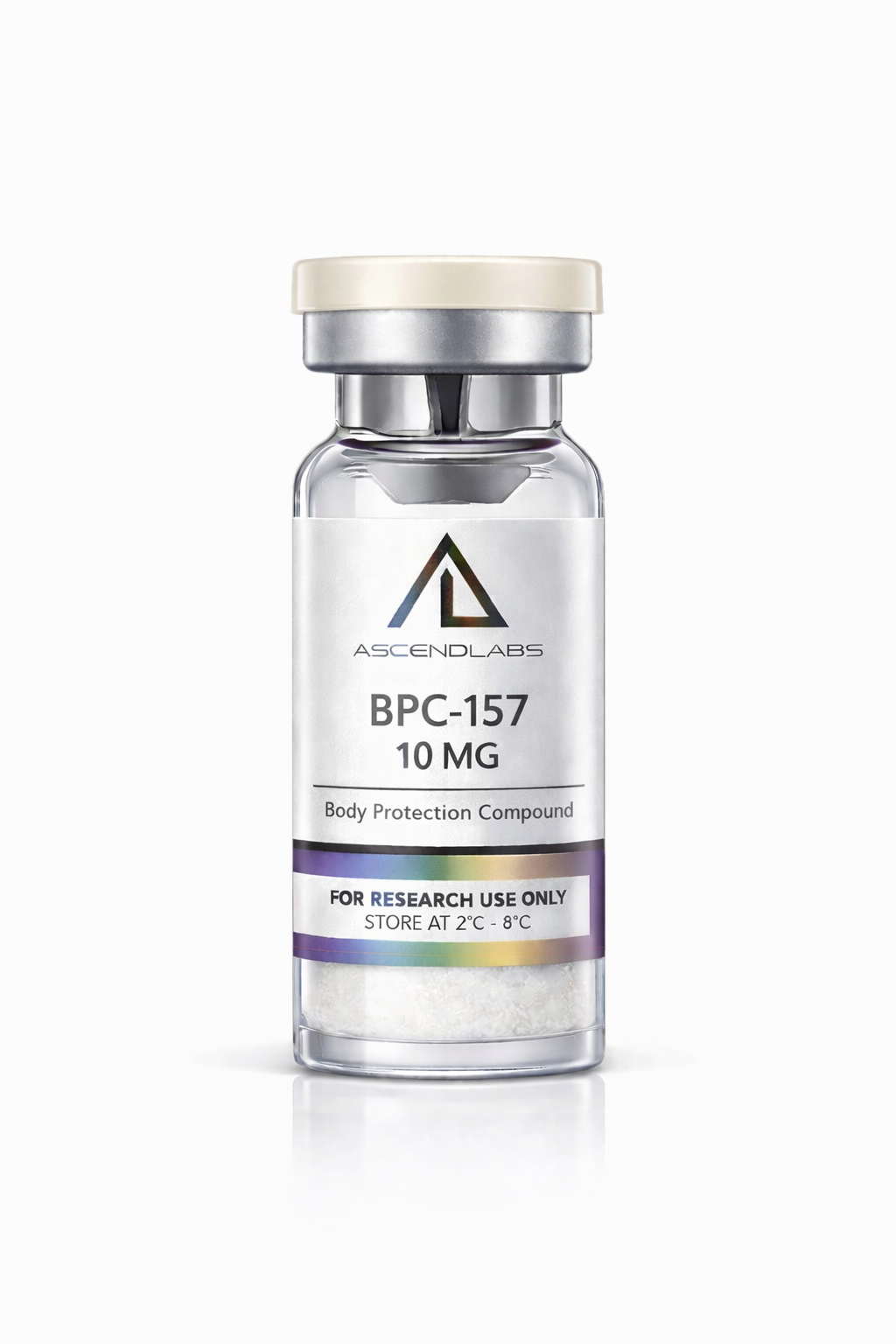
Body Protection Peptide
BPC-157 is a synthetic peptide derived from a naturally occurring protein fragment. It is commonly referenced in research related to tissue repair, recovery processes, and gastrointestinal integrity, and is studied for its interaction with biological signaling pathways involved in regeneration and response to stress.
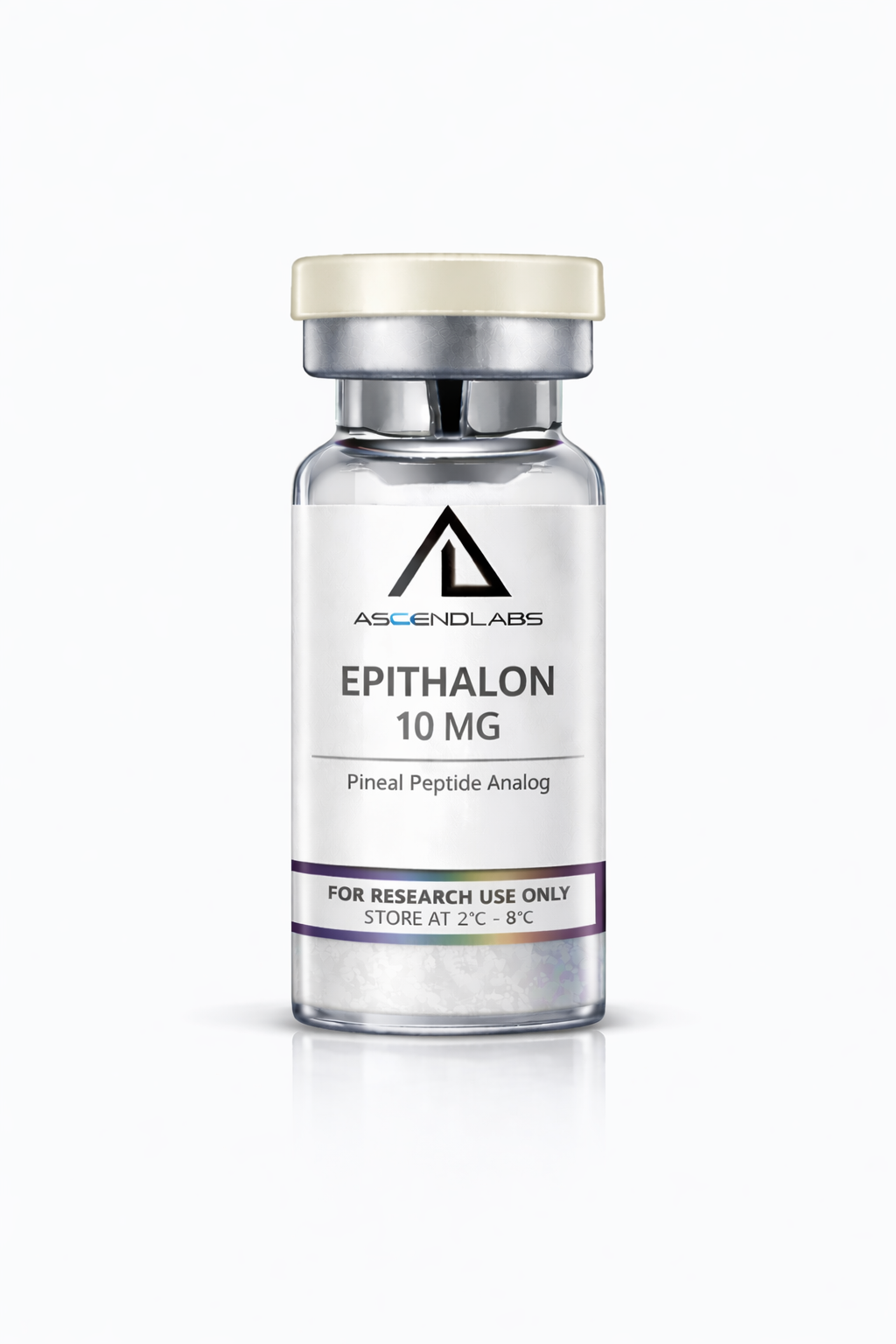
Pineal Peptide Analog
Epithalon is a synthetic tetrapeptide derived from epithalamin, a peptide complex associated with the pineal gland. In research settings, it is commonly referenced in studies related to cellular ageing, circadian regulation, and telomere dynamics, and is examined for its interaction with biological processes involved in cellular lifespan and regulation.
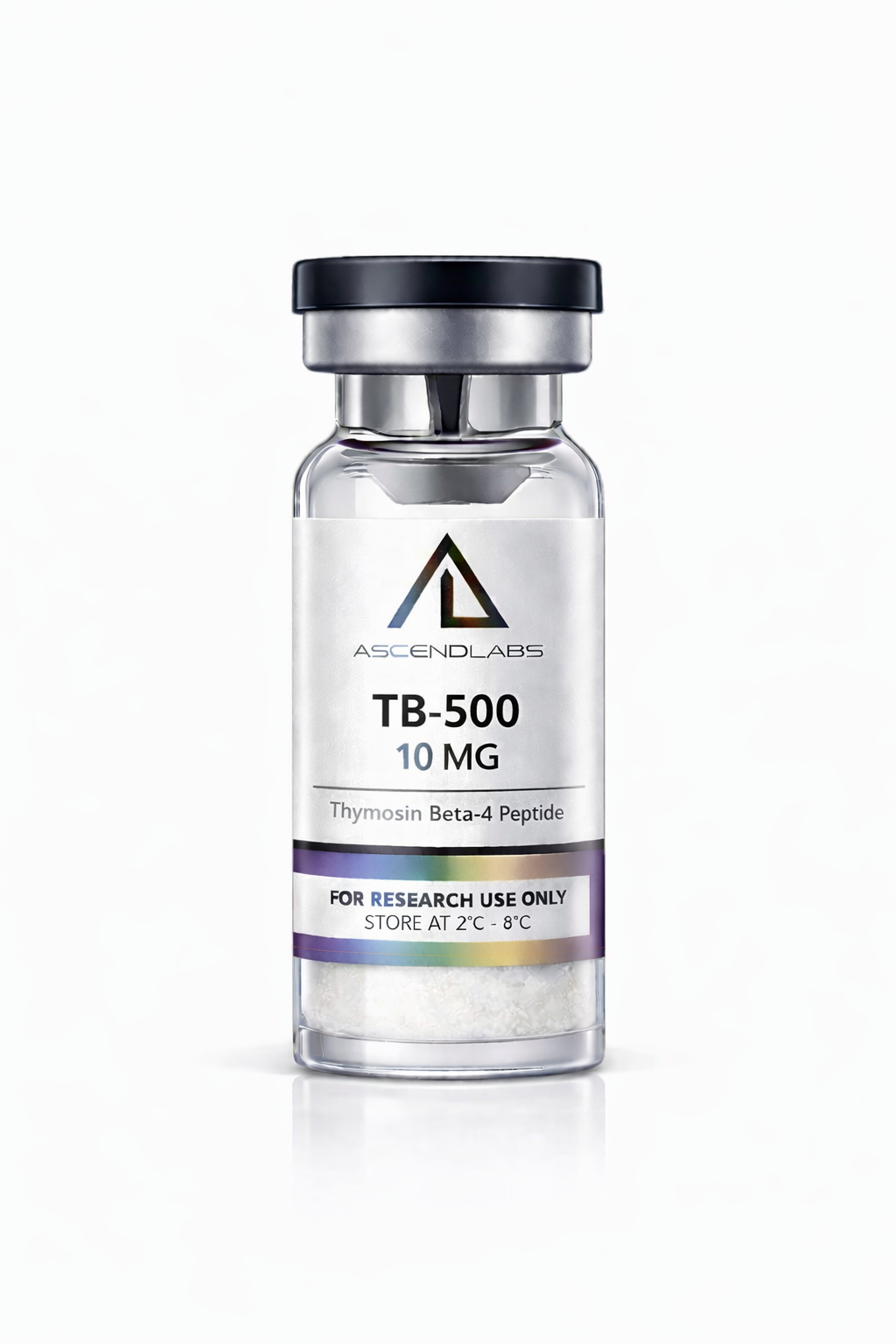
Thymosin Derived Peptide
TB-500 is a synthetic peptide based on a fragment of Thymosin Beta-4, a naturally occurring protein involved in cellular movement and repair mechanisms. In research contexts, it is commonly referenced in studies related to tissue recovery, inflammation response, and cellular migration, and is examined for its role in supporting signalling pathways associated with regeneration.
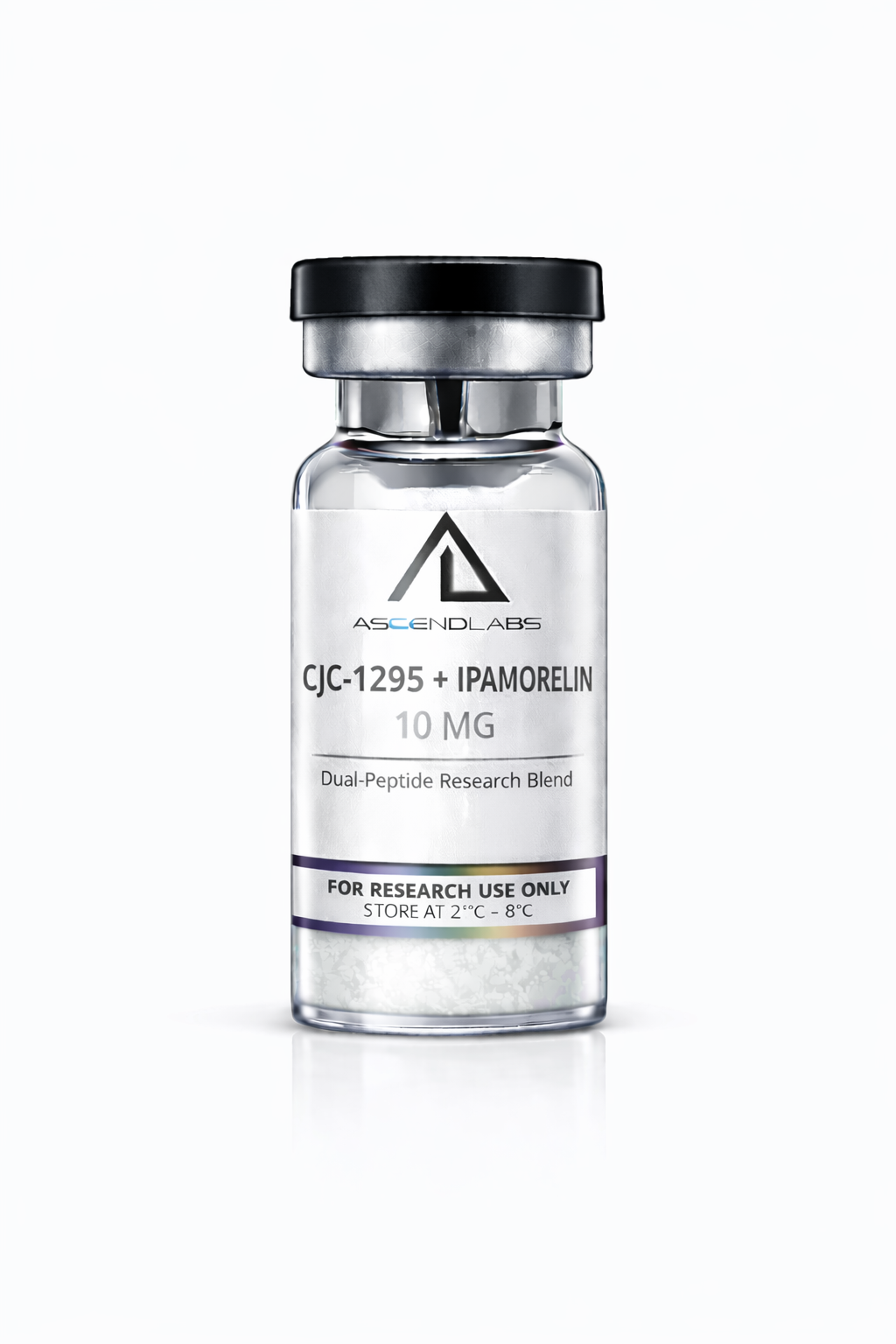
Dual-Peptide Research Blend
CJC-1295 and Ipamorelin are synthetic peptides commonly studied in research related to growth hormone signalling and endocrine regulation. When explored together, the combination is examined for its interaction with pathways involved in growth hormone release and pulsatility, allowing researchers to observe complementary signalling dynamics within the same biological system.

Unimolecular Tri-Agonist Peptide
Retatrutide is a synthetic peptide studied in research related to metabolic regulation and energy balance. It is examined for its interaction with multiple receptor pathways involved in glucose signaling, appetite regulation, and metabolic processes, making it a compound of interest in metabolic and endocrinological research contexts.
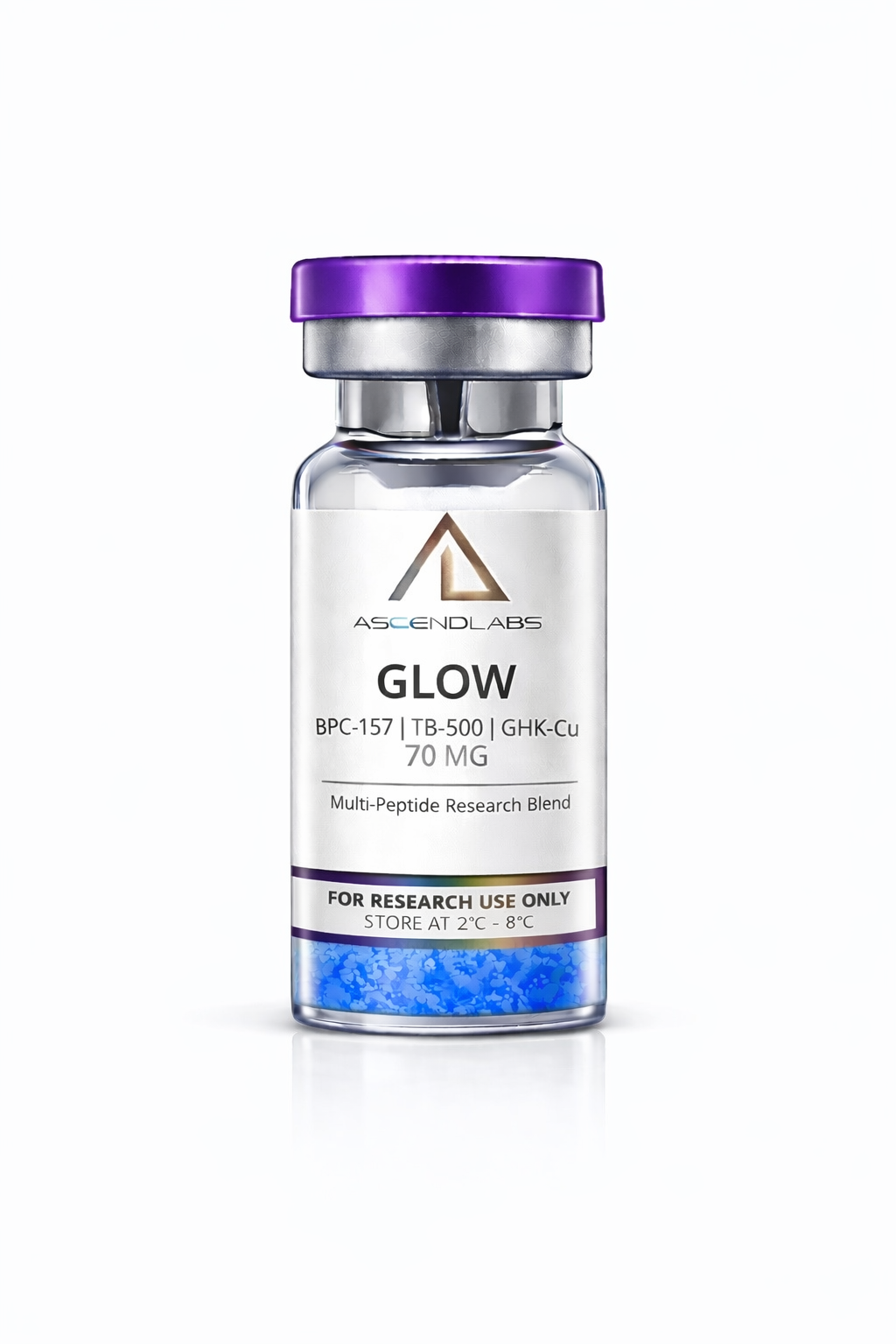
Multi-Peptide Research Blend
GLOW is a blended peptide formulation composed of BPC-157, TB-500, and GHK-Cu, compounds commonly referenced in research related to tissue repair, recovery signaling, and cellular support. The blend brings together peptides studied for complementary roles in regeneration, cellular migration, and structural integrity, allowing researchers to explore combined signaling.
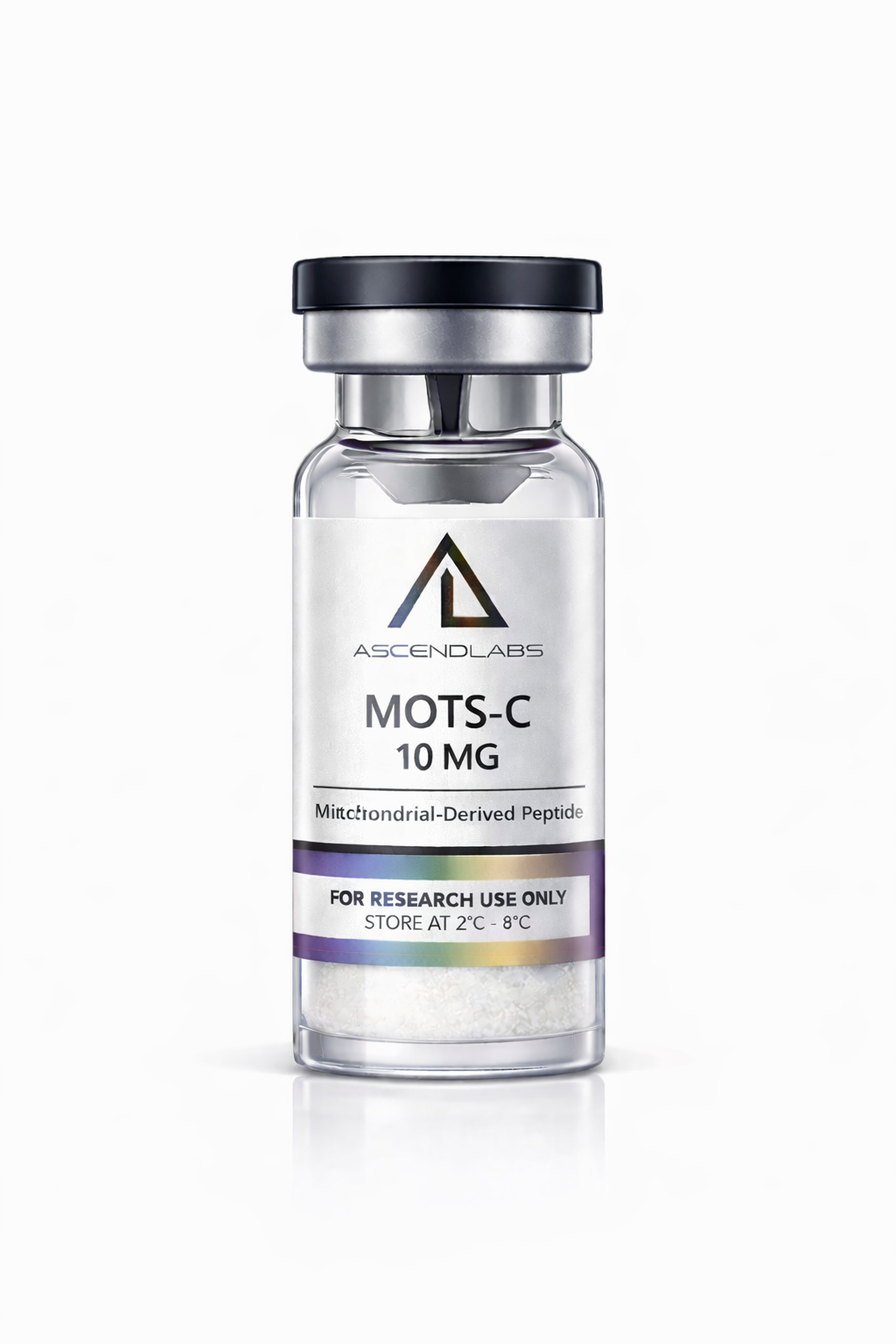
Mitochondrial-Derived Peptid
MOTS-C is a mitochondrial-derived peptide encoded within mitochondrial DNA. In research contexts, it is studied for its role in metabolic regulation, cellular stress response, and energy balance, and is examined for how it interacts with signaling pathways involved in metabolic adaptation and mitochondrial function.
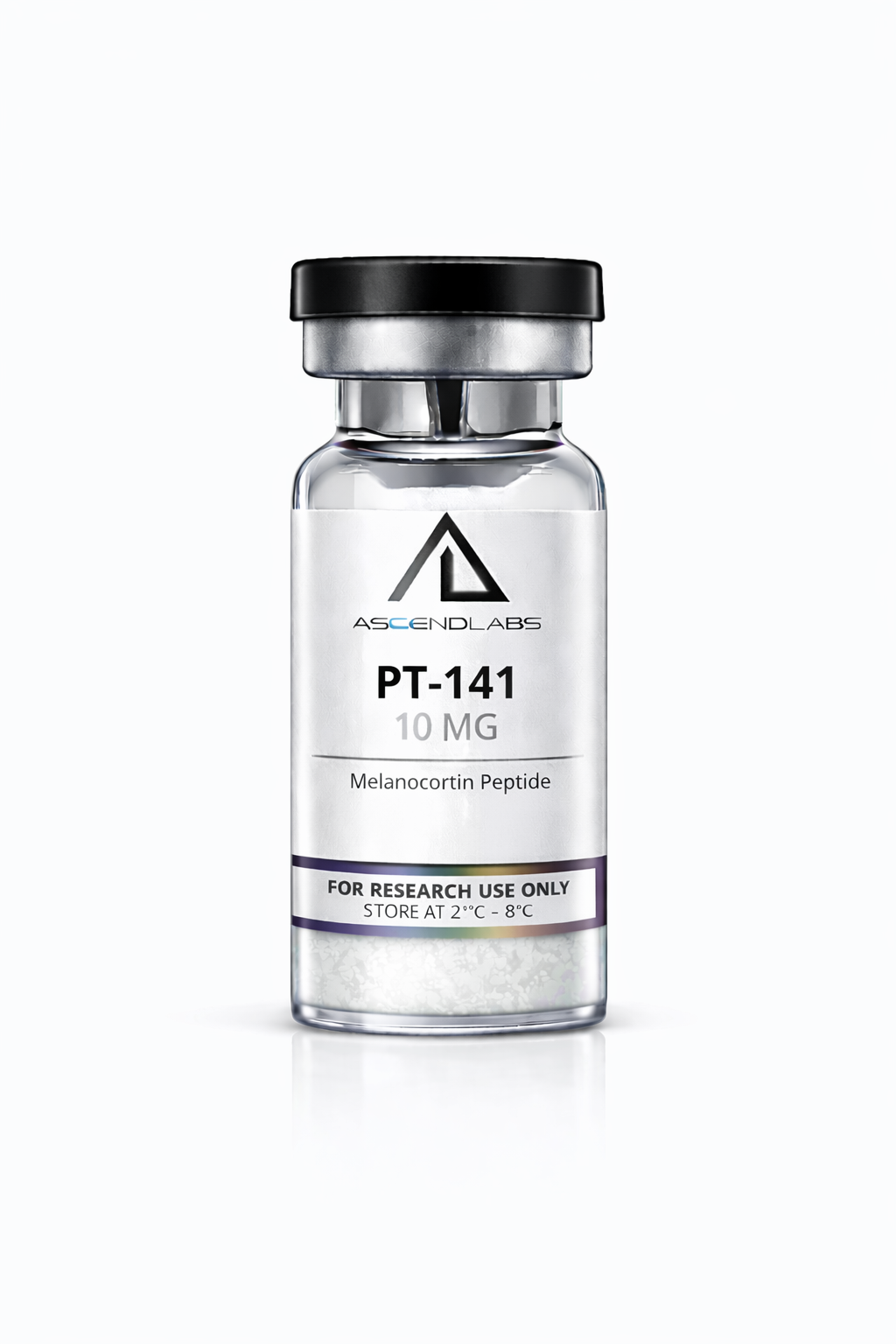
Melanocortin Peptide
PT-141 is a synthetic peptide derived from the melanocortin family. In research contexts, it is studied for its interaction with melanocortin receptors involved in neurological signalling and behavioural response, making it a compound of interest in neurobiological and signalling pathway research.
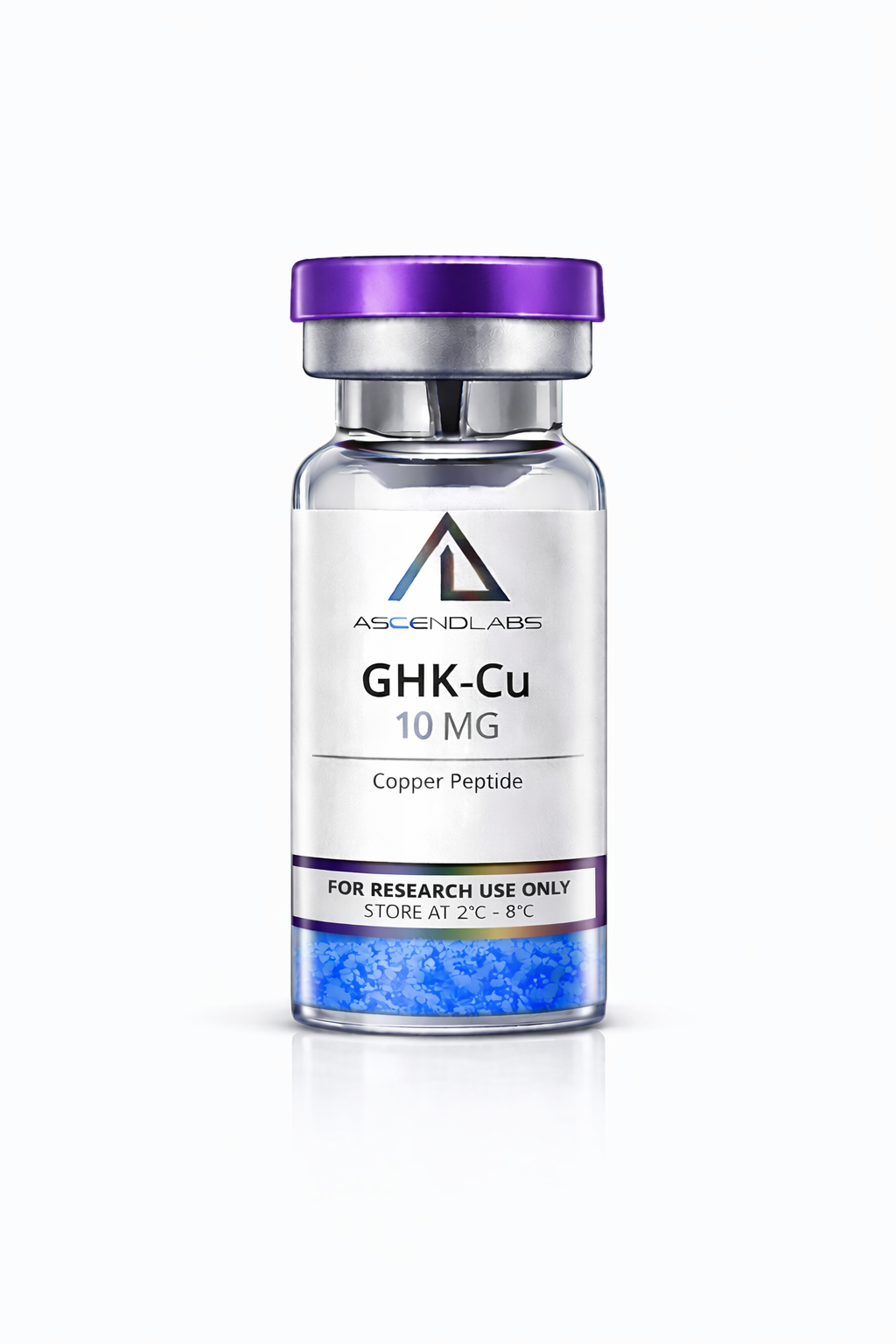
Copper Peptide Complex
GHK-Cu is a naturally occurring copper- binding tripeptide found in human plasma, saliva, and urine. In research settings, it is commonly referenced in studies related to skin biology, tissue remodelling, and cellular repair, and is examined for its interaction with pathways involved in regeneration and inflammatory response.
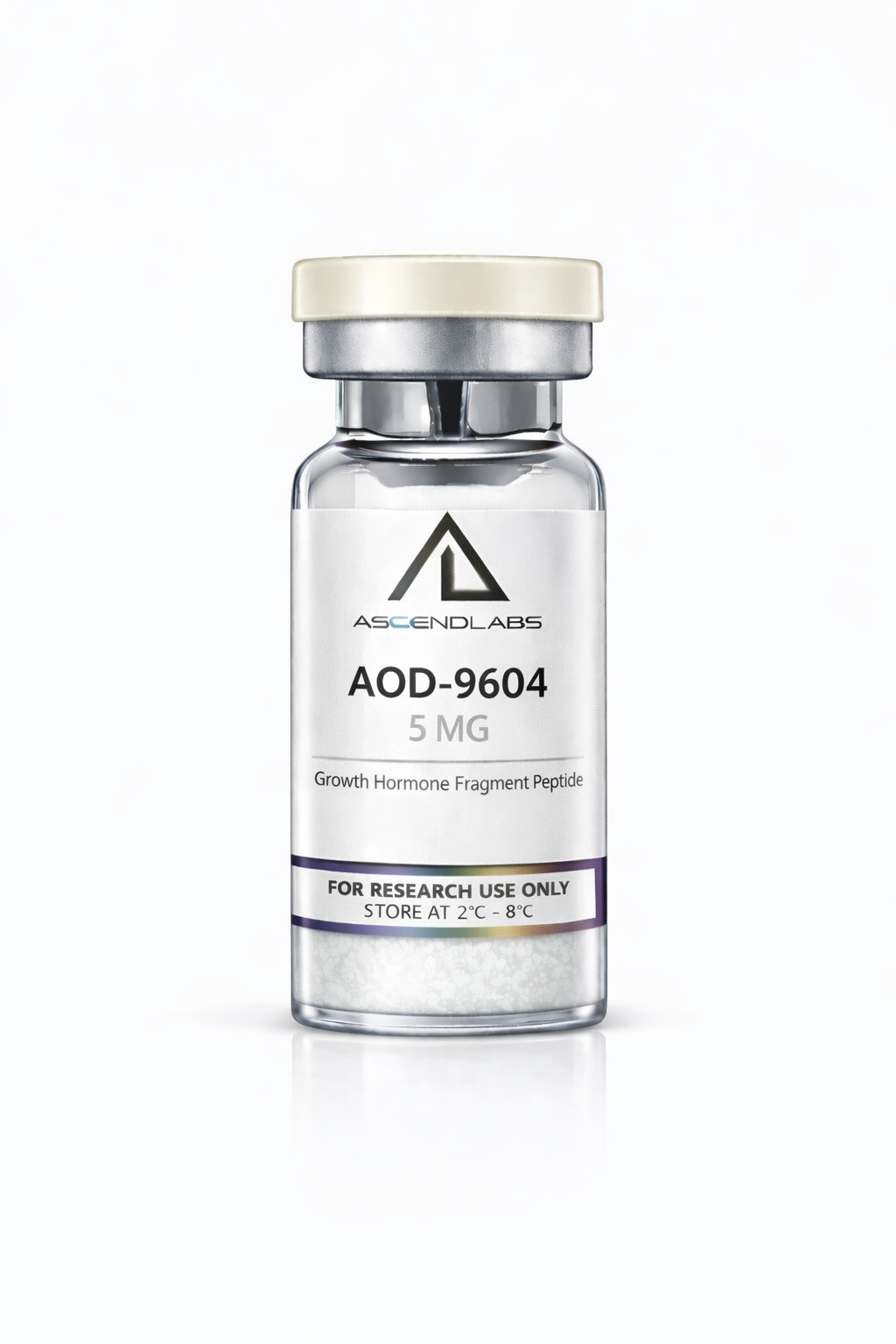
Growth Hormone Fragment Peptide
AOD-9604 is a synthetic peptide derived from a specific fragment of human growth hormone. In research contexts, it is commonly referenced in studies related to metabolic signalling and lipid regulation, and is examined for its interaction with pathways associated with fat metabolism without engaging broader growth hormone activity.
Overview
All compounds are presented by ASCENDLABS as reference-grade material for personal research use.
Documentation and presentation are standardised to support clarity and consistency across the catalogue.
Format & Packaging
Lyophilized powder with diluent
Vial size: [X ml]
Reference documentation provided
DESIGNATION & ACCESS
Research Use Only (RUO)
Third Party Tested (HPLC)
Access to ASCENDLABS products and materials are facilitated by region specific partners.
All products listed are designated for personal research use only.
ASCENDLABS does not provide medical advice, treatment guidance, or usage instructions.